
Wig & Hair Product Sourcing in China | ProntoSource
Which human hair wigs should you buy for your beauty supply store?
A supplier may offer hundreds of combinations of length, texture, color, lace and cap construction. Your shelf space and purchasing budget are limited. Buy too many variations, and slow-moving products tie up shelf space and cash. Buy too few, and shoppers may leave without finding a suitable style.
No wig is a best seller in every US beauty supply store. What sells depends on your customers, location and price range. Start with a focused selection, pay attention to what shoppers ask for and buy, then give proven styles more space.
This guide explains which wholesale human hair wigs are worth testing, how to plan your opening assortment and when to reorder.

Before choosing products, think about the people who visit your store. Do they want a wig for regular wear, a special occasion or a quick style that needs little preparation? Are some looking for a premium piece with more styling flexibility?
Listen to their questions. Note the lengths, textures, colors, cap sizes and price ranges they mention. Ask what they disliked about wigs they have worn before. Someone who struggled with fit has different needs from a shopper searching for a particular curl pattern.
Separate interest from buying behavior. A style may attract attention on social media but sell slowly in your store. Another may look less striking in a photograph yet bring customers back because it suits their daily routine.
If you already carry wigs, review sales and returns by product. If you are opening a new store, speak with prospective customers and begin with a small test selection. The U.S. Small Business Administration’s market research guidance offers ways to examine customers, competitors and demand. Use what you learn locally to decide which specifications deserve a trial.
These categories are starting points for your product selection. They are options to consider, not a ranking of the best-selling wigs across the United States.
| Wig type | A customer may ask | Check before stocking | Inventory consideration |
|---|---|---|---|
| Lace front | “Will the hairline suit the look I want?” | Lace appearance, hairline, cap fit and finishing | Test selected lace and hairline specifications |
| Glueless | “Can I wear it without adhesive?” | Fit, securing parts and ease of use | Track feedback on cap fit |
| Closure | “Does it have the parting area I need?” | Closure size, parting appearance and cap construction | Compare a few closure specifications |
| Full lace | “How much styling flexibility does it offer?” | Lace construction, fit and handling | Match stock depth to demonstrated demand |
A lace front wig has lace along the front hairline. Consider it when shoppers care about that area’s appearance or want a familiar construction with several styling options.
Check the lace dimensions, color and hairline instead of ordering by a product name alone. Let staff handle and fit a sample so they can explain any preparation a customer may need. Begin with a few lengths and textures, then use requests and sales to decide which versions to keep.
Glueless wigs may appeal to people who want to wear a wig without adhesive. The name describes an intended wearing method; it does not mean one cap will fit everyone securely.
Check the size and the parts used to adjust or secure it. Have staff put on and remove a sample using the instructions they would give shoppers. Record questions and returns related to fit, and make sure photographs show the product customers will receive.
A closure wig has a defined lace area for parting. It may suit shoppers who prefer that construction and do not need the same styling options as a full lace wig.
Compare closure sizes and parting areas. Check how the lace joins the cap, along with overall fit and density. Stock these wigs because they meet a customer need, rather than presenting them only as a lower-priced substitute.
Full lace wigs may interest shoppers who want more styling flexibility. They can also require more product knowledge and a larger customer budget.
Before assigning shelf space, find out how often people request this construction. Inspect the lace, fit and finishing. If demand is occasional, a display sample with an ordering option may make more sense than holding several units.

Texture shapes a wig’s appearance and the care customers expect it to need. Start with styles shoppers request, then compare that interest with purchases.
Full lace wigs may interest shoppers who want more styling flexibility. They can also require more product knowledge and a larger customer budget.
Before assigning shelf space, find out how often people request this construction. Inspect the lace, fit and finishing. If demand is occasional, a display sample with an ordering option may make more sense than holding several units.
Deep wave and curly wigs offer a distinct look. Customers may have particular expectations about the curl pattern after washing.
Test samples using the care instructions you plan to provide. Note the questions shoppers ask about maintenance. Clear guidance helps them decide whether a style fits their routine.
You can use Google Trends to explore changes in search interest for terms such as “body wave wigs” and “glueless wigs.” Search interest is an additional research signal, not a measure of actual wig sales. Use your own transactions and customer feedback to guide purchasing quantities.
Each additional length, texture, density and color creates another possible stock-keeping unit, or SKU. An assortment that looks small on paper can become difficult to manage when you order every combination.
For example, two constructions across three lengths and two textures create 12 possible SKUs before you add colors or densities. You do not need to stock all 12. Choose combinations supported by customer requests, then test others selectively
| Product role | Construction | Variation to test | Initial approach |
|---|---|---|---|
| Everyday candidate | Glueless | Requested texture and length | Hold a small quantity; track fit feedback |
| Style candidate | Lace front | Two requested lengths | Compare sales by length |
| Focused option | Closure | One requested parting style | Test customer acceptance |
| Premium option | Full lace | A specification customers have requested | Consider a display sample or limited stock |
This table is a planning example, not US sales data or a recommended quantity list.
Two wigs with the same stated density may look different. Compare delivered units with the approved sample, including fullness at the ends. Start with colors shoppers request regularly; test less common shades in smaller quantities when possible.
Record the combinations you choose in a wig sourcing brief before requesting wholesale quotes.
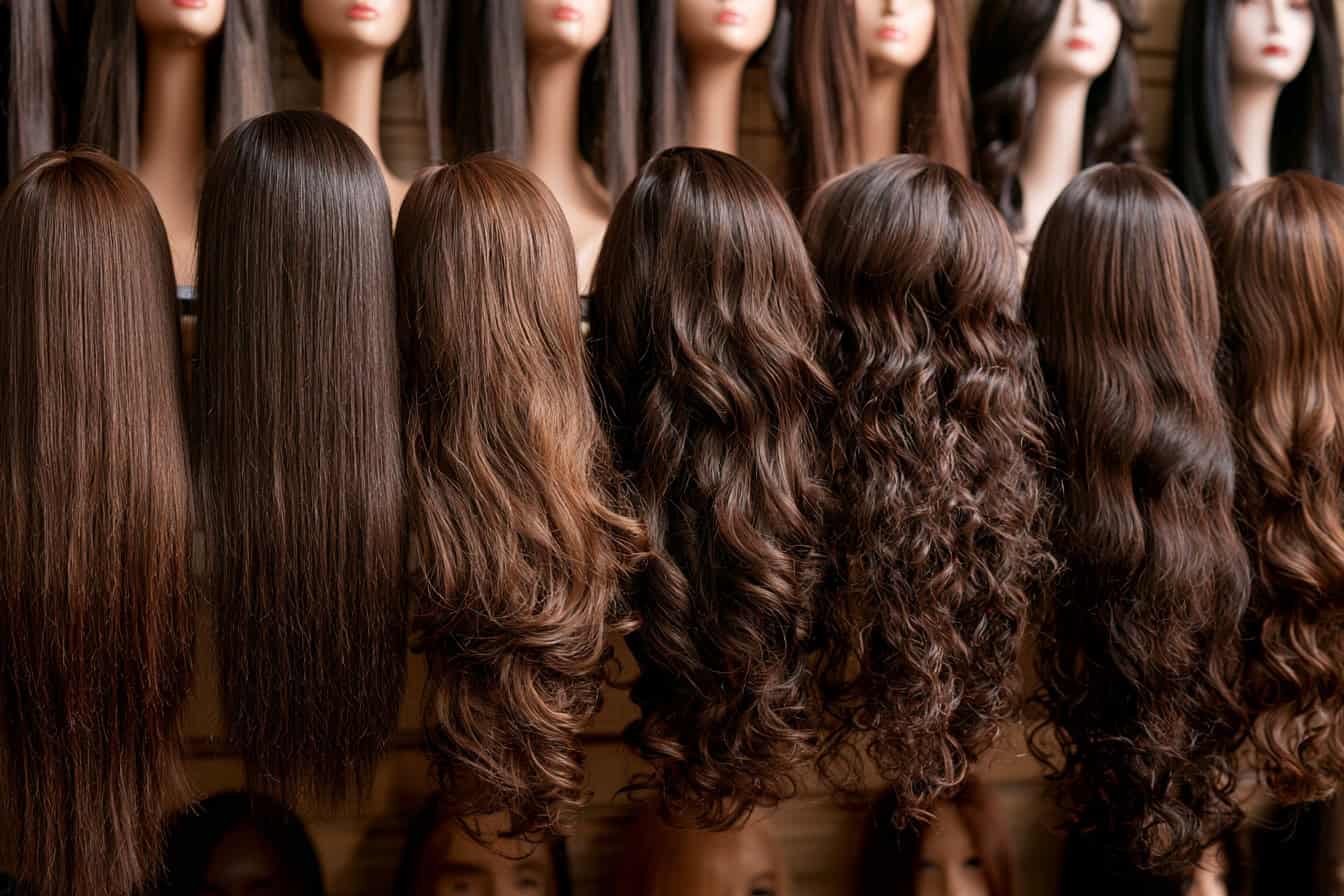
You can serve customers with different budgets without assuming that lower-priced wigs are poor quality or that premium products are always better.
For an everyday range, consider fit, care and how easily staff can explain the product. Each wig should meet its stated specifications and resemble its display sample. Premium shoppers may expect particular hair, lace, finishing or customization features. Explain those differences instead of relying on a “luxury” label.
Decide which styles customers should be able to take home immediately and which you can offer through a display sample or special order. A premium piece that sells occasionally may not need the same stock depth as one customers buy every week.
No opening quantity fits every beauty supply store. Your budget, space, customer traffic and supplier lead time all affect the decision.
Divide your selection into two groups:
For each SKU, set an initial quantity, a review date and a point at which you would reorder. Check the supplier’s minimum order quantity, or MOQ, before finalizing the plan. A separate minimum for each color or length can turn a small-looking selection into a large purchase.
Balance the number of styles against the number of units you hold for each one. More choices may help you learn about demand, but deep stock across every variation ties up cash. Leave room to replenish a winner or adjust a weak style.
A wig needs to work as a retail product, not merely look attractive in a supplier photograph.
Compare the sample with your specifications. Check length, texture, density, color, lace, cap construction and packaging. Examine the hairline, ends, seams and adjustable parts. If you promise a particular wearing method, make sure staff can demonstrate it accurately.
Handle and wash a test unit according to the proposed care instructions. Keep a separate approved sample for later orders. Check customer-facing descriptions and photographs against the item you will sell.
Staff should be able to explain the differences among lace front, closure, glueless and full lace wigs. For larger orders, quality control services can help coordinate checks against agreed specifications.
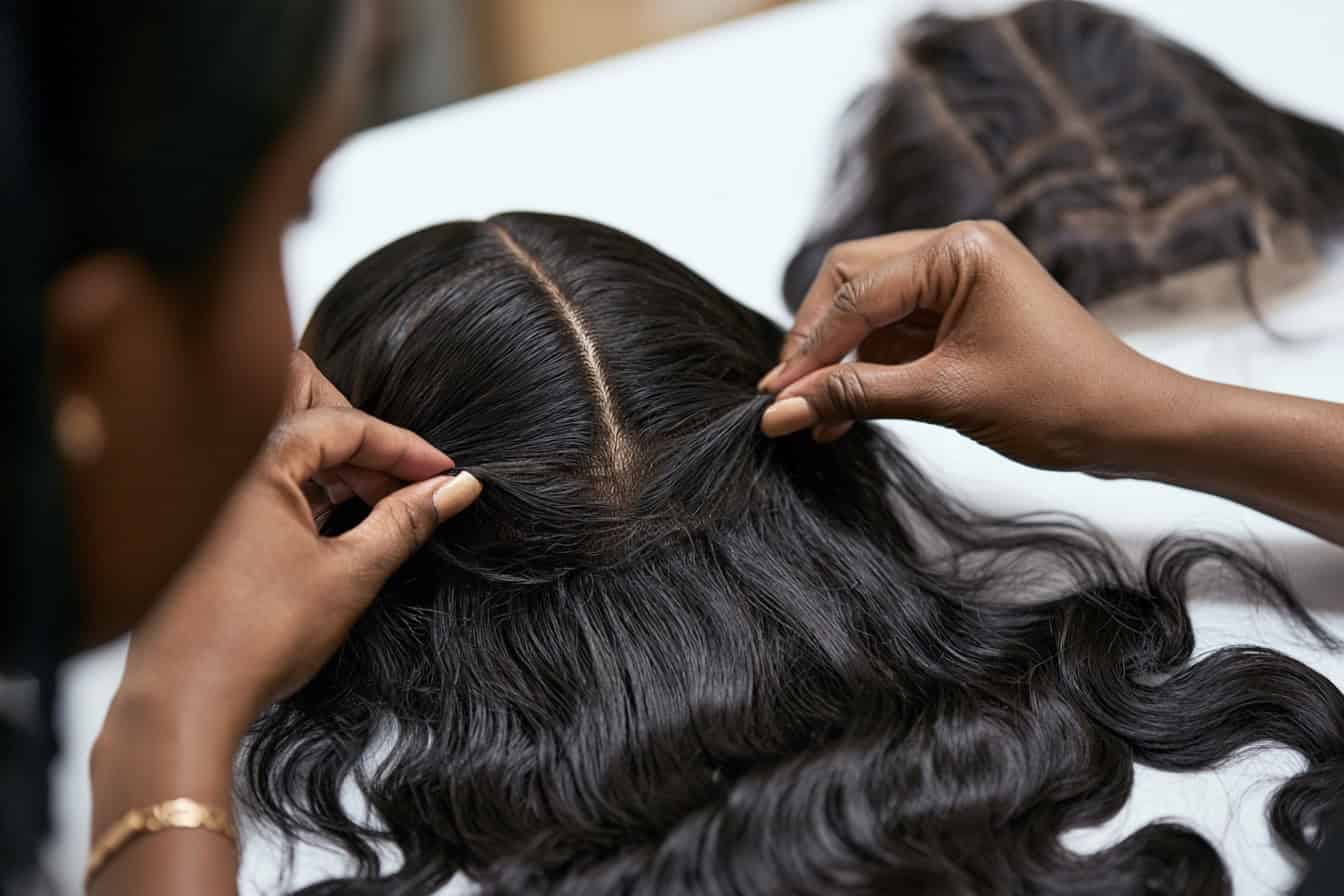
A wig becomes a best seller in your store when your records show sustained demand. Total units sold do not tell the whole story.
| Store signal | What it helps you understand |
|---|---|
| Sales by SKU | Which exact specifications shoppers buy |
| Customer questions | Where interest exists but your selection falls short |
| Try-ons or demonstrations | Which products attract attention before purchase |
| Return and exchange reasons | Whether fit, appearance or expectations need work |
| Days out of stock | Whether replenishment is keeping up |
| Time on shelf | Which styles tie up space and cash |
| Repeat requests or preorders | Whether demand may continue |
Review these signals together. A wig might sell quickly during a promotion yet move slowly at its regular price. Another could sell fewer units but bring customers back for the same specification.
Give each test SKU enough time to show a clear sales pattern. Before dropping a weak style, consider whether the issue is the product, display, price or explanation. Before increasing an order, confirm that the supplier can reproduce the approved version.
For a style that sells consistently, plan your reorder based on its sales pace and the supplier’s actual lead time. Count from order confirmation until new stock is ready to sell, including production, shipping and receiving.
A simple starting estimate is:
Reorder point = average daily sales × replenishment lead time + safety stock
Suppose a style sells two units a day, replenishment takes 15 days and you hold 10 units as safety stock. Its estimated reorder point is 40 units:
2 × 15 + 10 = 40.
This is a hypothetical example, not a recommended stock level. Adjust the estimate for demand changes, promotions and delays you have experienced.
Compare each new batch with the approved sample. Watch for changes in color, curl pattern, density, lace, fit and packaging. Review test styles on the date you set before purchasing. Increase stock if sales support it; revise or discontinue those that do not.
Reliable replenishment also depends on a supplier’s ability to reproduce your approved product. Test that ability before committing to repeat orders.

Write down the answers. They give you a reason for the first purchase and a fair way to assess its results.
Begin with a small selection based on needs prospective customers have expressed. Test a few constructions and textures rather than every variation. Review sales, questions and returns before expanding.
They may suit people who want to wear a wig without adhesive. Test the fit, securing parts and ease of use before making that promise. Let customer feedback determine which specifications you reorder.
Choose a few combinations supported by requests and your budget. Track each separately. Add options when sales show demand or shoppers repeatedly ask for something you do not carry.
Consider its sales pace, current stock and the supplier’s actual replenishment time. Order before expected demand uses up available units, then check the new batch against the approved sample.
The best-selling human hair wigs for your beauty supply store will emerge from your customers’ choices—not a generic trend list.
Start with a focused selection. Record what sells, what gets returned and what shoppers request next. Expand proven styles, revise weak ones and make sure repeat orders match the wigs customers came back to buy.
ProntoSource helps wholesale buyers organize specifications and coordinate sourcing with manufacturing partners in China. If you are planning your store’s wig inventory, explore our wig sourcing services or contact ProntoSource with the styles you want to test, expected quantities and replenishment needs.