
A supplier sends you a beautiful sample. The hair feels soft, the lace looks delicate, and the price fits your budget. You are ready to place a larger order. Then a question comes up: does this company actually make the wigs, or does it source them from another factory?
That question matters, but the answer alone will not tell you whether the supplier is right for your business.
A manufacturer may give you closer access to product development and production decisions. A trading company may help you source a wider assortment and coordinate orders across several factories. Either can deliver a strong product—or disappoint you after a promising sample.
For businesses sourcing wholesale human hair wigs, understanding the difference can help you compare supplier capabilities and make a more informed purchasing decision. The better partner is the one that can meet your specifications, repeat the approved quality, deliver on a workable schedule, and resolve problems when they occur.
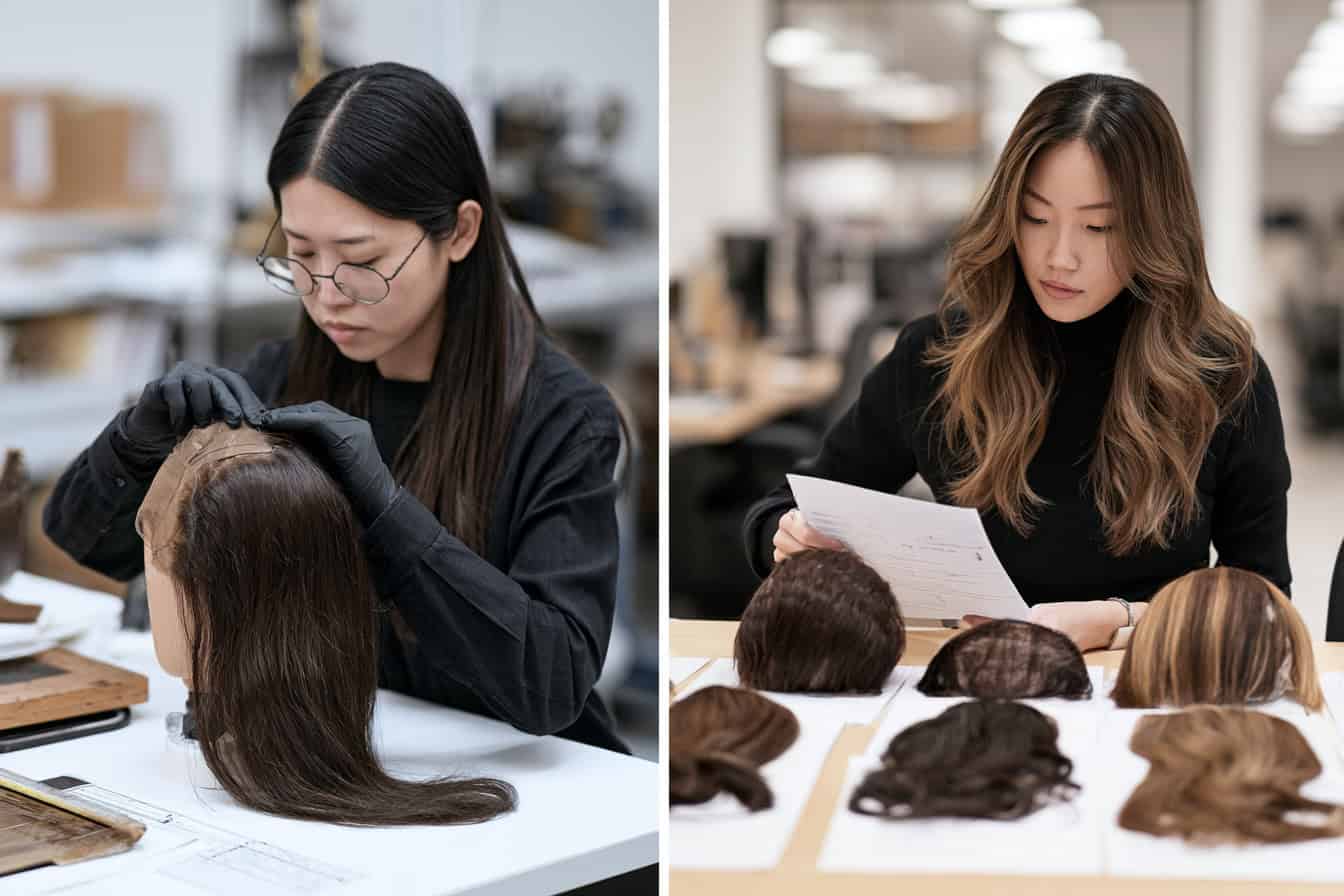
1. What Is the Difference Between a Wig Manufacturer and a Trading Company?
A wig manufacturer makes wigs or directly manages their production. Its work may include hair preparation, coloring, cap construction, ventilation, finishing, inspection, and packing. The precise scope varies. A company can be a manufacturer while using outside partners for selected materials or processes.
A wig trading company purchases from manufacturing partners and sells to buyers. It may help select products, compare factories, develop specifications, coordinate samples, arrange inspections, and manage shipments. Some trading companies actively manage quality; others mainly pass orders to factories.
| Comparison | Wig manufacturer | Trading company |
|---|---|---|
| Production | Makes wigs or manages specified production steps | Sources production through factory partners |
| Product range | Depends on its capabilities and partners | May combine products from multiple factories |
| Customization | May develop and adjust products directly | May coordinate development with a factory |
| Quality control | May inspect during and after production | May arrange its own checks or rely on factory checks |
| Order management | Coordinates its production and outside processes | Coordinates orders with one or more suppliers |
| Potential fit | Buyers seeking closer production involvement | Buyers seeking broader sourcing or coordination |
These are possible differences, not guarantees. A factory may have a limited product range or weak communication. A trading company may employ experienced product specialists and inspectors. Ask what the company does for your specific order.
2. Start With Your Buying Requirements
Define the product before deciding which type of supplier to approach. A beauty store testing several popular styles has different needs from a private-label brand developing a signature glueless wig.
For each SKU, specify the hair type, texture, length, color, density, lace type, cap construction, size, hairline treatment, packaging, and expected order quantity. Separate essential requirements from preferences you can adjust. Also identify your target selling price and replenishment needs.
A written brief lets you send the same request to every candidate. It makes quotations easier to compare and exposes differences early: one supplier may quote your requested construction, while another substitutes a different option. Use How to Prepare a Wig Sourcing Brief to organize your requirements before requesting samples.
3. Compare What Each Supplier Actually Controls
Buying wigs directly from manufacturers may give you a more direct route for discussing production details. If your brand needs a particular cap fit or hairline, a capable manufacturer may be able to explain what can be changed and show you a revised sample. That access is useful only when the factory has the relevant skills and records your approved specifications.
A trading company may be valuable when you need products that no single factory makes well. It can coordinate several sources and simplify communication. To judge that service, find out how it selects factories, checks their work, and manages changes between orders.
Ask four questions about the order you intend to place:
- Who will make this wig, and which production steps does the supplier control?
- Who confirms the specifications and approves changes?
- Who checks the finished order?
- Who is responsible if the delivered wigs do not meet the agreement?
“We have our own factory” and “we work with reliable factories” are starting points for these questions, not proof that your order is under control. If you need help identifying suitable production partners and coordinating requirements, explore Wig Sourcing Services.
4. How to Evaluate Wig Samples and Product Quality
Evaluate a sample in two stages. First, check whether the supplier made what you ordered. Then decide whether that product is suitable for your market.
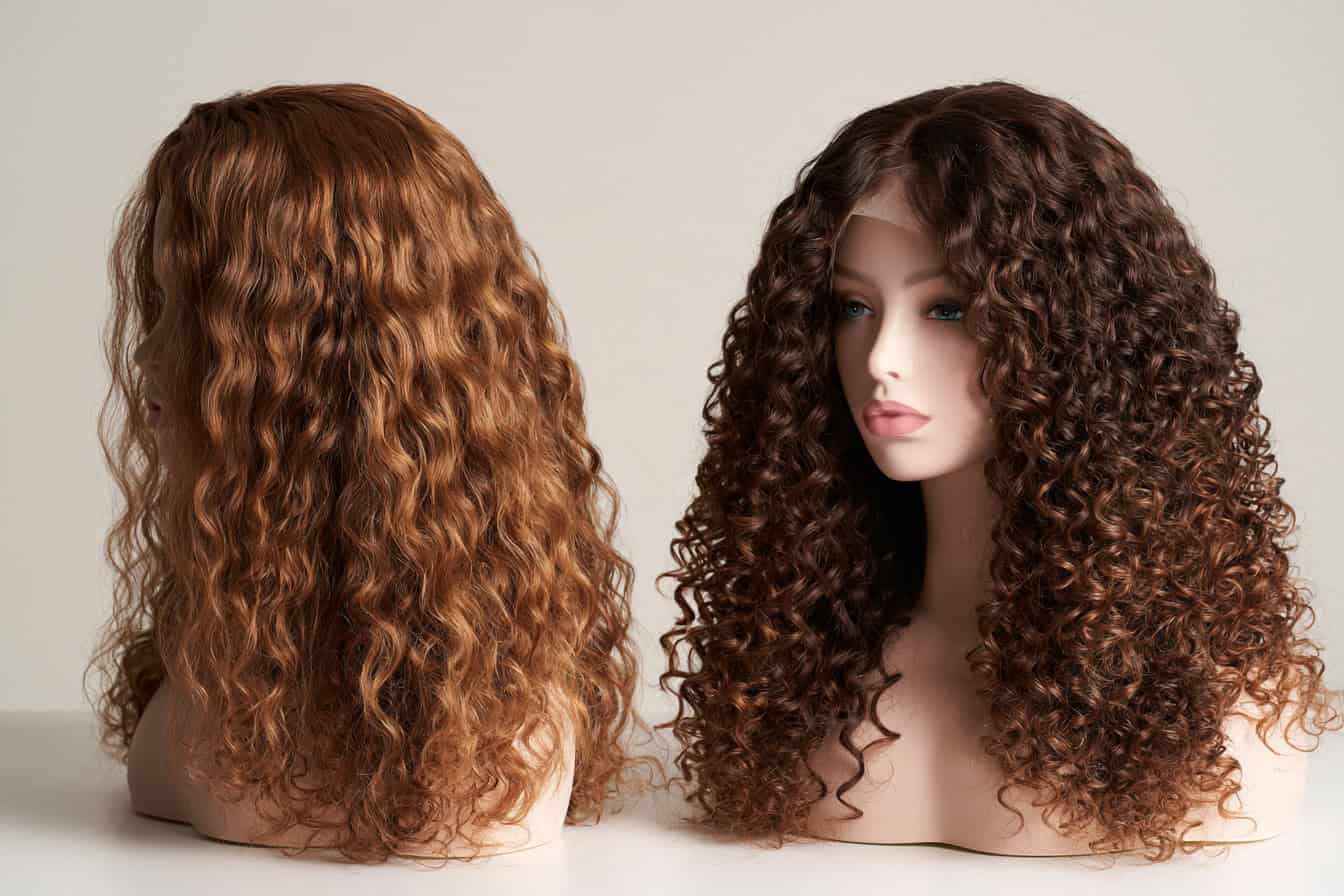
Compare the wig with your written specification and approved references. Check length using an agreed measurement method. Examine color, texture, density, lace dimensions, cap size, construction, hairline, labels, and packaging. Photograph differences and record measurements.
This distinction matters. If you requested one cap size and received another, the supplier did not follow the agreement. If the cap matches your request but a fit test shows that customers need another size, revise your specification.
Next, inspect the product beyond its styled appearance. Look at the hair from roots to ends. Note thin ends, unusual shedding, breakage, or tangling during normal handling. Examine the lace for damage, inconsistent knots, or areas too delicate for the intended use. Check seams, edges, straps, combs, and other cap components.
For longer wigs or delicate lace styles, consider requesting two samples made to the same specification. Keep one as an approved reference and use the other for washing and styling tests. Apply the same test method to every supplier you compare.
Ask suppliers to define terms such as “virgin” or “Remy” and explain any processing. Evaluate the finished wig’s performance rather than relying on a marketing label.

5. Test Performance and Customer Acceptance
A wig that looks good in its package may behave differently during installation or after washing. Have a stylist test it if salon use is part of your market. For an online product, check whether a customer can achieve the intended fit using the supplied instructions and accessories.
Wash the test unit according to the proposed care instructions. Record changes in texture, color, softness, tangling, and styling response. Once you sell a small order, track returns, reviews, salon feedback, and repeat purchases by SKU and batch. Repeated comments about the same problem deserve investigation.
6. How to Evaluate Supplier Reliability and Consistency
A successful sample shows that a supplier can produce at least one acceptable wig. A wholesale relationship depends on whether it can reproduce that wig.
Compare the approved sample with the first bulk order, then compare later orders with both. Watch for changes in shade, curl pattern, density, lace, cap fit, finishing, and packaging. Ask how the supplier records the approved version and whether it will notify you before changing a material or production partner.
A manufacturer’s direct production role does not remove the need for repeat-order checks. Likewise, a trading company can maintain consistency if it uses clear specifications, suitable factories, and effective inspection. Judge the process and its results.
Before placing a larger order, agree on what counts as a defect, when you must report it, what evidence is required, and how confirmed problems will be resolved. Put those terms in writing. During a test order, notice whether the supplier investigates a correction, gives a specific answer, and follows through.
Keep a simple record of the approved specification, sample reference, inspection findings, customer feedback, and issue resolution. This gives you evidence for future decisions. Learn more about arranging checks through Quality Control Services.
7. Compare Production, Delivery, and Communication
Record the dates promised for sample completion, bulk production, inspection, dispatch, and delivery. Confirm when the quoted production lead time begins. A supplier may count from deposit payment, final sample approval, receipt of packaging files, or confirmation of every product detail.
Compare those promises with actual dates. A delay can happen with either supplier type. What matters is whether delays form a pattern and how the supplier communicates. An early explanation with a realistic revised schedule helps you plan inventory. Discovering that an order is late only after asking for an update does not.
Communication quality also shows up before production. A supplier that asks you to clarify an ambiguous density or color reference may prevent an expensive mistake. Look for written confirmations of specifications and changes, clear progress updates, and answers that address your questions.
For US retailers and importers, predictable delivery supports launches, promotions, and replenishment. A shorter quoted lead time has little value if you cannot rely on it.
8. Calculate the Real Cost of Working Together
Compare quotations against the same specification, quantity, packaging, and shipping terms. Check whether sample development, custom labels, additional colors, inspection, and carton preparation are included. Confirm the minimum order quantity for each style, length, and color—not just the lowest MOQ shown in a catalog.
Then estimate your total landed cost: the cost of getting the goods to your specified destination. Depending on the agreed terms, it may include the product price, freight, insurance, import duties and taxes, brokerage, and destination charges. Identify which party is responsible for each item before comparing offers.
Your business cost may extend further. Rejected units, customer returns, rework, replacement shipping, and stock held during a delay can erode a low unit price. A trading company may charge for useful sourcing and coordination; a factory may require a larger order or more direct management from your team. Compare what each quotation actually provides.
9. What US Buyers Should Know When Sourcing Wigs from China
chosen SKU. The location of its sales office alone does not explain where or how the wig is made.
International orders make written communication particularly important. Confirm product specifications, the approved sample, production milestones, inspection arrangements, shipping terms, and the documents needed for your shipment. Decide how you will inspect goods before dispatch, when correcting an issue may be easier than after the cartons arrive in the United States.
Ask for a complete quotation that lets you estimate landed cost, and allow time for both production and international transit. If you expect repeat orders, establish how the supplier will preserve your approved specifications and inform you of changes.

10. How to Choose the Right Supplier for Your Business
Use your business model to narrow the choice, then let test-order evidence decide.
| Your situation | Supplier to consider | What you must verify |
|---|---|---|
| Testing several styles with modest quantities | A manufacturer with suitable stock or a trading company with a relevant range | MOQ by SKU and whether the sampled product can be reordered |
| Building a private-label wig | A manufacturer with demonstrated development ability or a trading company that manages it well | Sample approvals, packaging, change control, and repeatability |
| Buying several product categories | A trading company or a manufacturer with proven partner coordination | Who makes and inspects each category |
| Replenishing a proven bestseller | Either supplier type with a reliable order history | Batch consistency, capacity, and delivery predictability |
For a custom product, closer production involvement may be valuable. For a broad assortment, sourcing and coordination may matter more. Neither benefit should be assumed from the supplier’s label. If you are developing a branded range, review Private Label Wig Sourcing alongside each supplier’s sample-development process.
Assess product accuracy, real-use performance, customer acceptance, delivery, problem resolution, total cost, and future capacity. If a supplier scores well on a sample but cannot repeat the result in a test order, reduce the commitment or continue your search.
11. Questions to Ask Before Your First Wholesale Order
Send these questions with your specification sheet so candidates respond to the same request:
- Which facility will manufacture this specific wig?
- Can you confirm each item on our specification sheet in writing?
- What is the MOQ for each style, length, color, and customization option?
- Can you provide two samples made to the same specifications?
- How do you record the approved sample for bulk and repeat orders?
- What checks occur during production and before packing?
- Can we arrange an inspection before shipment?
- When does the quoted production lead time begin?
- What costs and services are included in your quotation and shipping terms?
- How do you handle confirmed defects, replacements, and delays?
Compare the clarity of the answers as well as the prices. Specific answers give you something to verify when the order arrives.
12. The Better Choice Is the Supplier You Can Verify
A wholesale wig manufacturer can be a strong partner when you need product development and closer involvement in production. A trading company can be a strong partner when you need access to several sources and dependable order coordination.
The best supplier is not necessarily the manufacturer or the trading company. It is the partner that consistently meets your product, quality, delivery, and business requirements. Start with a clear brief, test samples under consistent conditions, place a manageable first order, and review the results before scaling.
13. Need Help Finding the Right Wig Manufacturing Partner?
Choosing a supplier type is only one part of wholesale wig sourcing. You also need to turn product requirements into comparable quotations, evaluate potential partners, coordinate samples, and check quality before committing to larger orders.
ProntoSource helps wholesale buyers explore wig sourcing options and coordinate requirements with manufacturing partners in China. Whether you are a wholesaler, retailer, distributor, or private-label brand, contact ProntoSource to discuss your sourcing requirements.