
A wig may be made with high-quality human hair, yet the customer may find it stuffy, slippery, or with an unnatural hairline due to a poorly fitting cap or incompatible attachment method. Alternatively, the base mesh may be very thin, but after repeated removal, reattachment, and cleaning, it may become misshapen, lose hair, or have edges that are difficult to reattach.
These issues are often not about whether a particular material is “good” or “bad,” but rather that the hair strands, base mesh, density, cap size, and attachment method are not working together to serve the same usage scenario.
For brand procurement and product development, it’s not enough to simply ask, “What kind of hair should we use?” nor is it sufficient to compare only how thin the lace is. The hair strands affect appearance, styling, and maintenance; the base mesh affects fit, breathability, retention, and structural stability; while density, hair implantation method, cap size, and retention system can either amplify or offset these factors. What truly needs to be defined is how the finished product performs within the target customer’s lifestyle.
Define the customer’s needs first, then discuss material specifications
Products that both list “Human Hair + HD Lace” may serve entirely different people: some need a natural hairline for close-up shots; others need to put it on and take it off themselves daily; some require salon installation and long-term maintenance; and still others prioritize budget and quick restocking. They should not be subject to the same set of priorities.
When writing a product brief, first confirm five key points: whether the target customer values natural appearance, comfort, styling freedom, ease of maintenance, or price most highly; the actual duration of wear and climate conditions; who will handle installation, removal, and cleaning; whether the product will require frequent adjustments or be reused; and the limits of what the product can and cannot promise in terms of usage. Without this input, material names are merely a string of labels that cannot guide procurement.
Hair Performance Must Be Validated Within the Structure
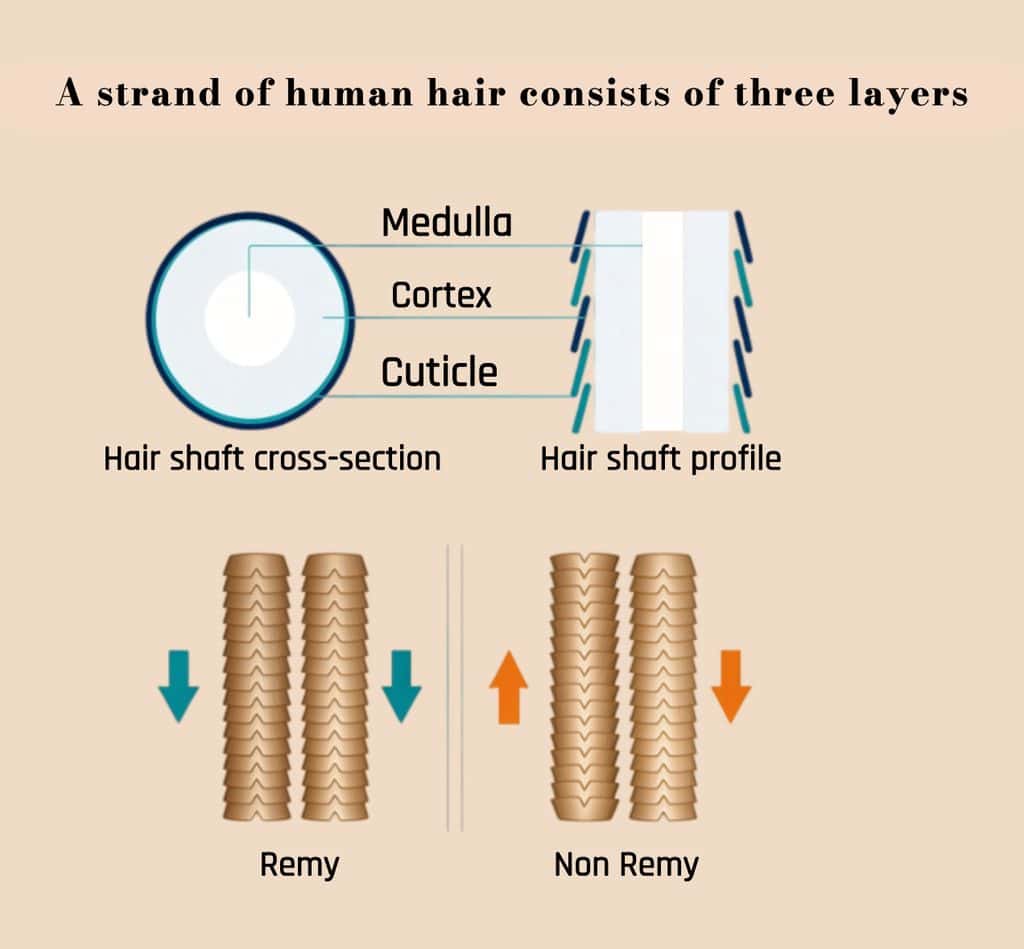
Human hair is often used to achieve a natural sense of movement and greater styling possibilities, but whether it ultimately appears lightweight and is easy to manage still depends on the raw material’s condition, length, texture, color, density, and hair distribution. Synthetic or blended hair may help maintain a specific pre-set style or control costs, but the specific texture, heat resistance range, care requirements, and base mesh comfort must all be verified according to product specifications.
Therefore, “human hair” should not be directly equated with a guarantee of high quality, nor should “synthetic hair” be automatically considered a low-end option. When the same hair strands are incorporated into Lace Front, Full Lace, Mono Top, or machine-made hairpiece caps, the parting, weight, crown contour, natural movement, and maintenance requirements will all vary. Procurement evaluations must be based on complete samples, not just a single strand of hair.
The base mesh is not a tier,different areas serve different functions
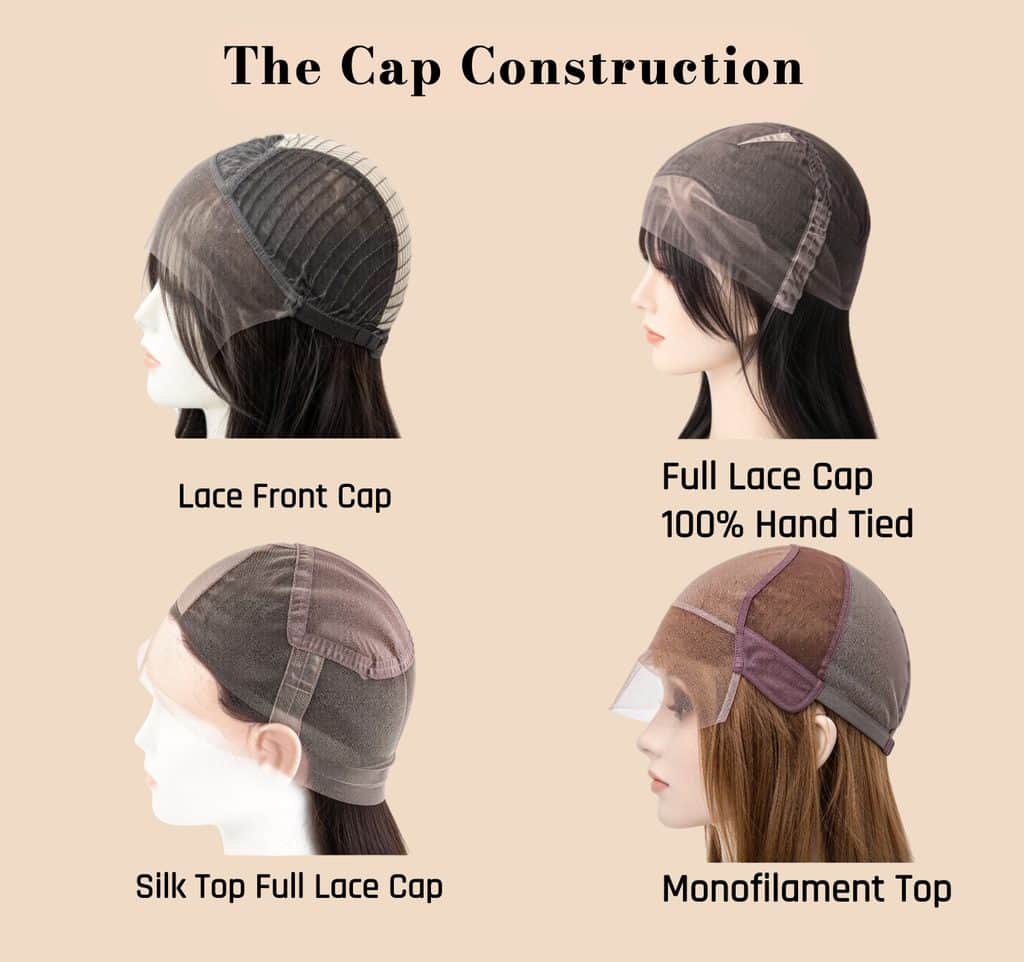
Lace is typically used in the hairline or parting areas where low visibility is required, but the color, mesh size, edge finishing, knots, density, and installation method all affect the final result.Mono Top is often used in areas requiring relatively stable support and a natural-looking crown, but the specific texture, breathability, and hair placement still depend on the actual structure. PU or Skin-type areas can be used for adhesive or fixed-position designs; thickness, cleaning methods, and removal frequency will affect their performance. Machine-woven hairpieces with open structures can meet needs such as mass production, ventilation, or cost control, but should also be evaluated in light of styling goals.
Mature products often feature a composite structure: the forehead, crown, sides, and back do not all serve the same function. When purchasing, do not simply specify “full lace” or “with PU”; instead, clearly define the materials, area, attachment methods, desired appearance, and the fixation force each section must withstand.
Density and attachment methods determine whether the structure will function effectively
Density percentage alone does not determine the final appearance of hair volume.Length, texture, hair thickness, color, curl, and hair distribution all alter the visual result; excessively high density in the finer edge areas may also affect fit, the natural appearance of the hairline, and structural stability. Rather than relying on a single overall density figure, it is more practical to specify whether the hairline is graduated, how hair is distributed between the crown and the back, the desired effect in the parting area, the total weight of the sample, and acceptable variations in appearance.
The fastening method should not be left to be determined later either. Adhesives, tape, clips, elastic bands, and adhesive-free structures subject the hairline, the cap, and the client’s own hair to varying forces. Frequent removal and reattachment requires consideration of adhesive residue cleanup and potential hairline strain; clips require an assessment of pressure points and the condition of the client’s own hair; adhesive-free products rely more heavily on cap sizing, adjustment systems, and anti-slip design. Without confirming the fastening method, it is impossible to make a reasonable selection of the base mesh and attachment structure.
Sample testing must cover the complete finished product under real-world usage conditions
During testing, do not limit yourself to simply touching the hair strands or observing the forehead.Inspect under target usage conditions: the hairline, part, density, and overall contour under varying lighting and at close range; pressure, slippage, stuffiness, friction, and stability of fixation after continuous wear; tangling, hair loss, knots, stitching, and base mesh deformation after styling, washing, and drying as intended; and the condition of the hairline, clips, PU areas, and connection points after simulating installation and removal.
Each test should document the sample batch, material and structural specifications, cap measurements, total weight, installation method, test conditions, and results. For products worn by consumers themselves, observations should include multiple cycles of putting on, taking off, and caring for the product; for salon products, personnel familiar with the intended installation method should participate. The purpose of testing is not to prove whether a label is “genuine” or “counterfeit,” but to confirm whether the product combination meets the stated product claims.
Converting the Confirmation Sample into Production Standards
Once the sample is approved, the approved sample—labeled with specifications and batch information—should be sealed and stored. The order should clearly specify the scope of random inspections, allowable tolerances, procedures for handling anomalies, and methods for verifying replacement orders. Otherwise, even if the first batch of samples performs well, it will be difficult to determine in subsequent batches whether any discrepancies stem from the hair strands, base mesh, density, cap, or fastening structure.
The value of this process extends beyond simply producing a wig with “impressive specifications.” It identifies risks related to comfort, slippage, hair shedding, deformation, and after-sales issues during the prototyping phase, ensuring that product pricing, care instructions, and service commitments align with the product’s actual capabilities.
A wig is not simply the sum of its hair strands and base mesh. Define the customer’s usage conditions; then determine the complete structure; and finally, use the approved sample and acceptance criteria to finalize the production run.