Wig & Hair Product Sourcing in China | ProntoSource

PRONTOSOURCE / RESOURCES

Hair Knowledge

Understand Hair. Know Your Product.

Explore the essentials of wig materials, hair types, lace options, cap construction, and product specifications. Build a clearer understanding of the products you source.

Close-up of silky straight dark brown human hair showing smooth aligned strands and a natural healthy shine.

EXPLORE OUR KNOWLEDGE

Explore Hair Knowledge

Understand the materials, construction, and specifications behind different wig products.

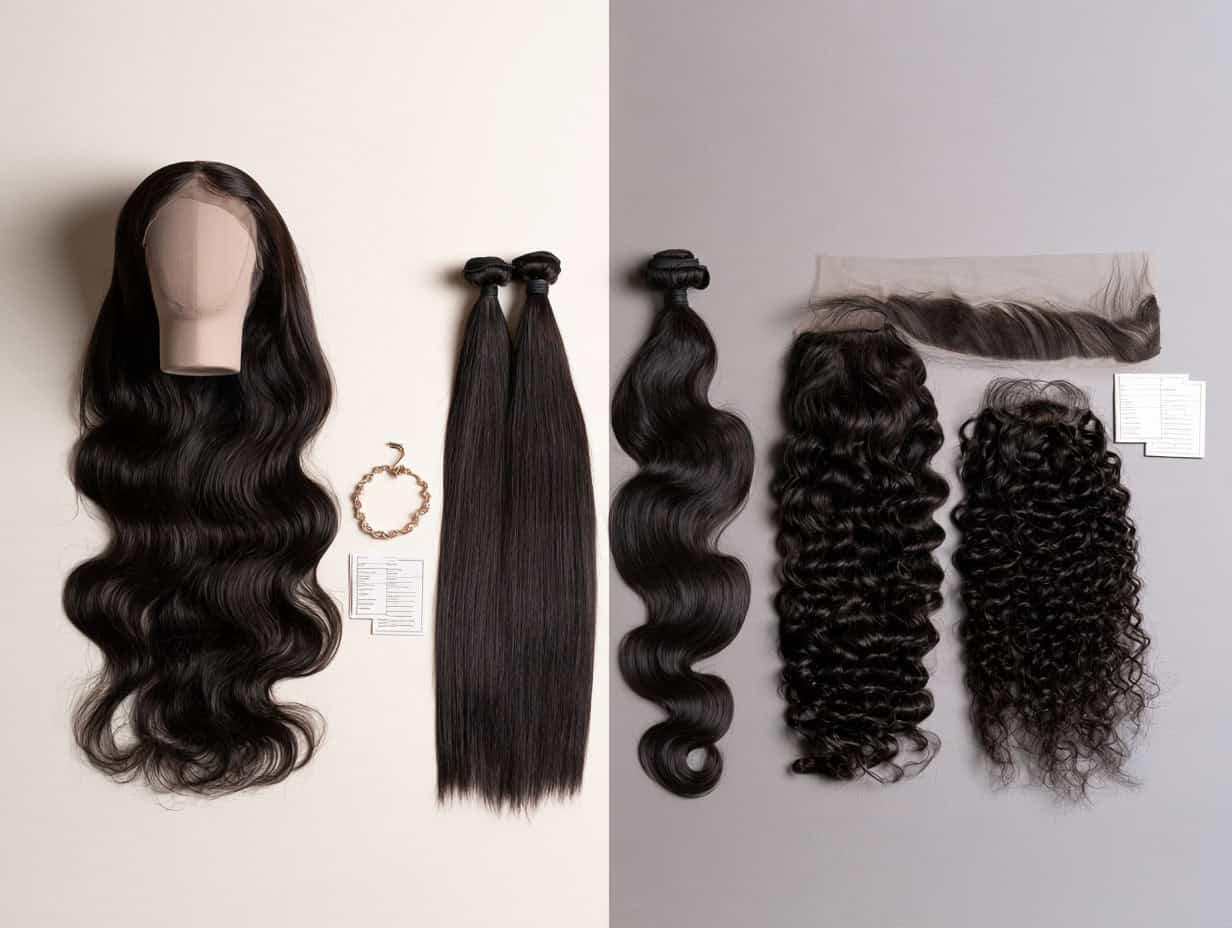
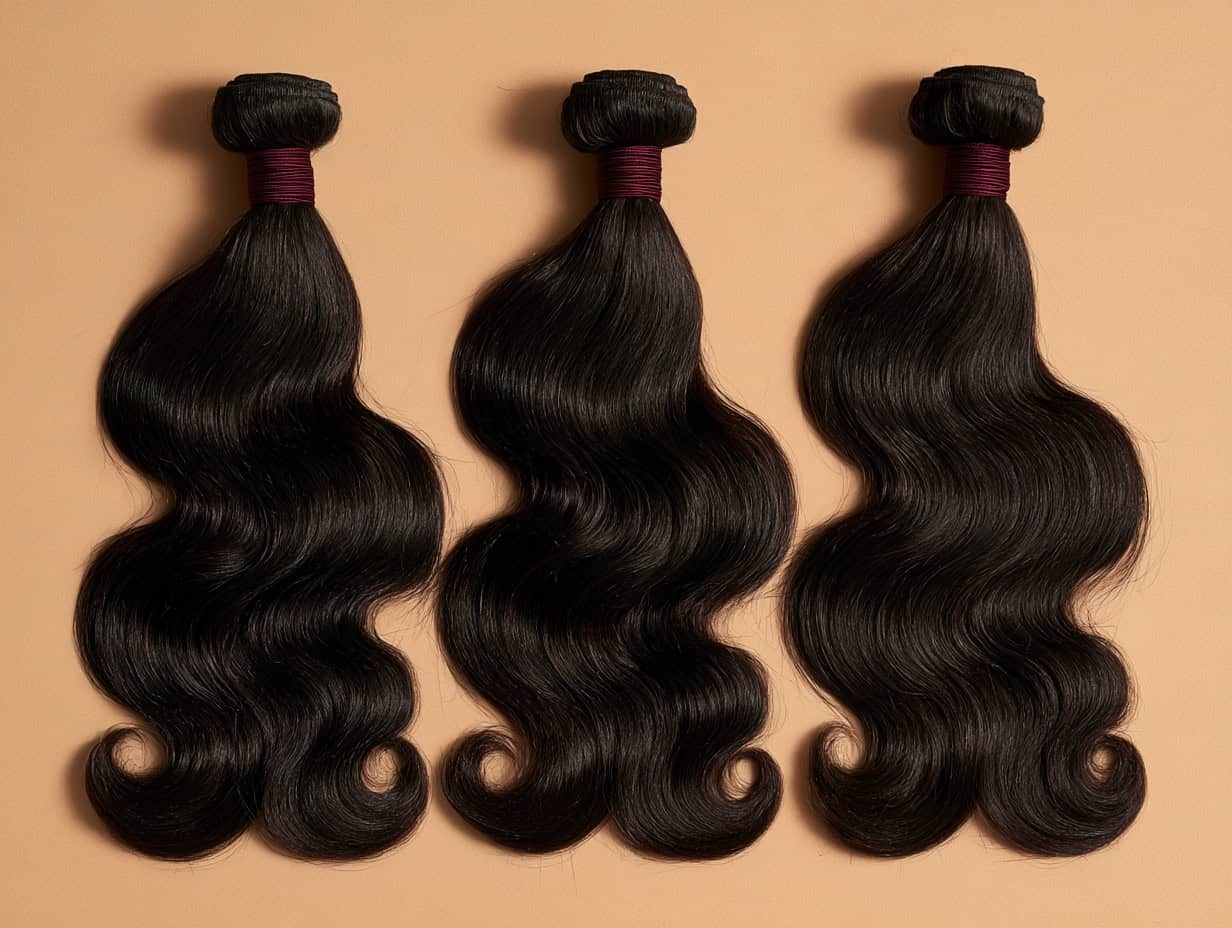
Body wave human hair bundles arranged for wholesale sourcing

01 / HAIR MATERIALS

 Hair Types & Materials

Understand different hair categories, materials, and terminology. Explore the characteristics and differences between various hair types.

EXPLORE →
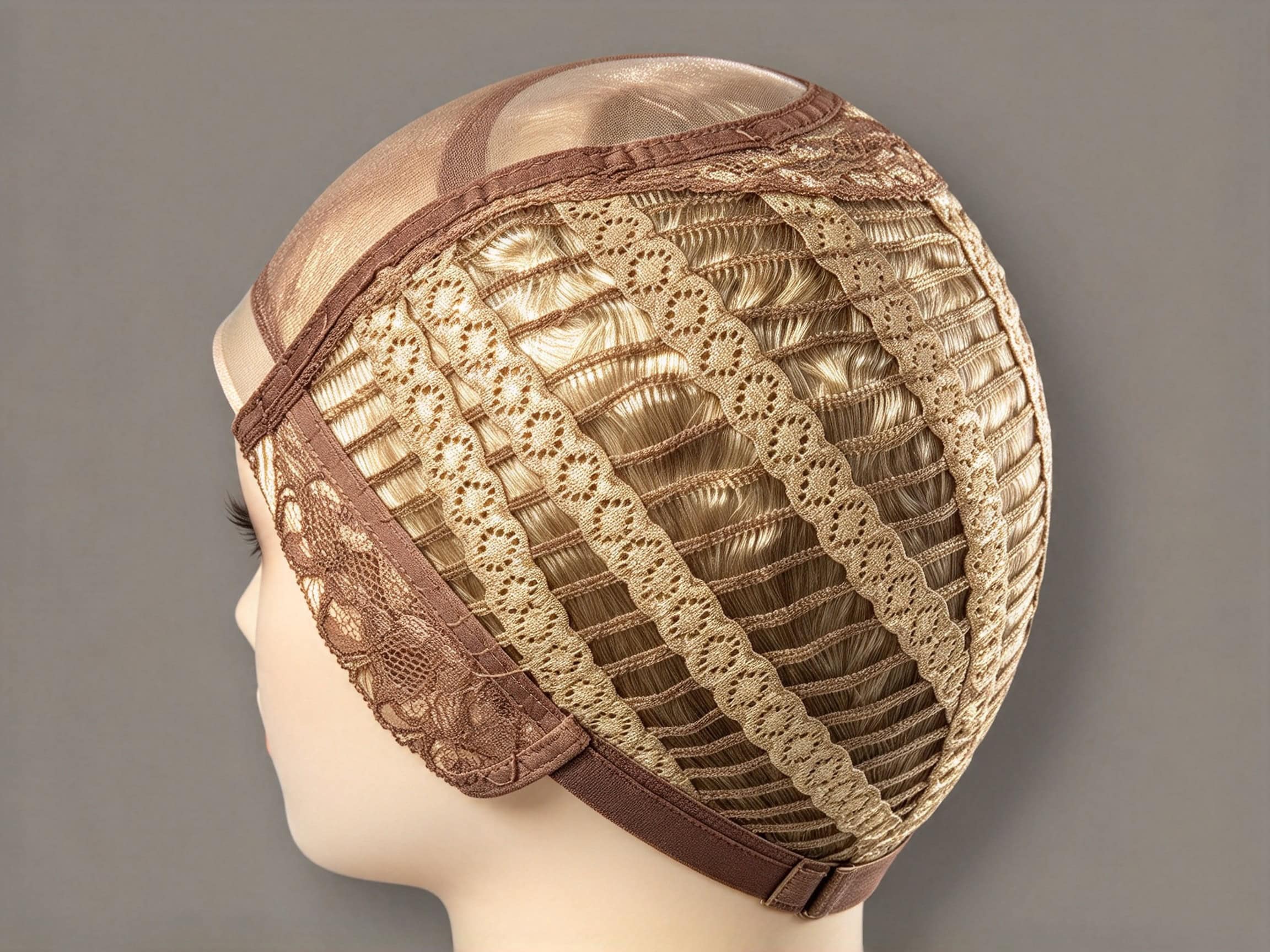
Inside view of a breathable wig cap showing open weft construction, lace panels, elastic bands, and an adjustable strap.

02 / WIG CONSTRUCTION

Wig Construction & Cap Design

Learn how different wig structures and cap designs affect product construction, appearance, 

and wearing options.

EXPLORE →
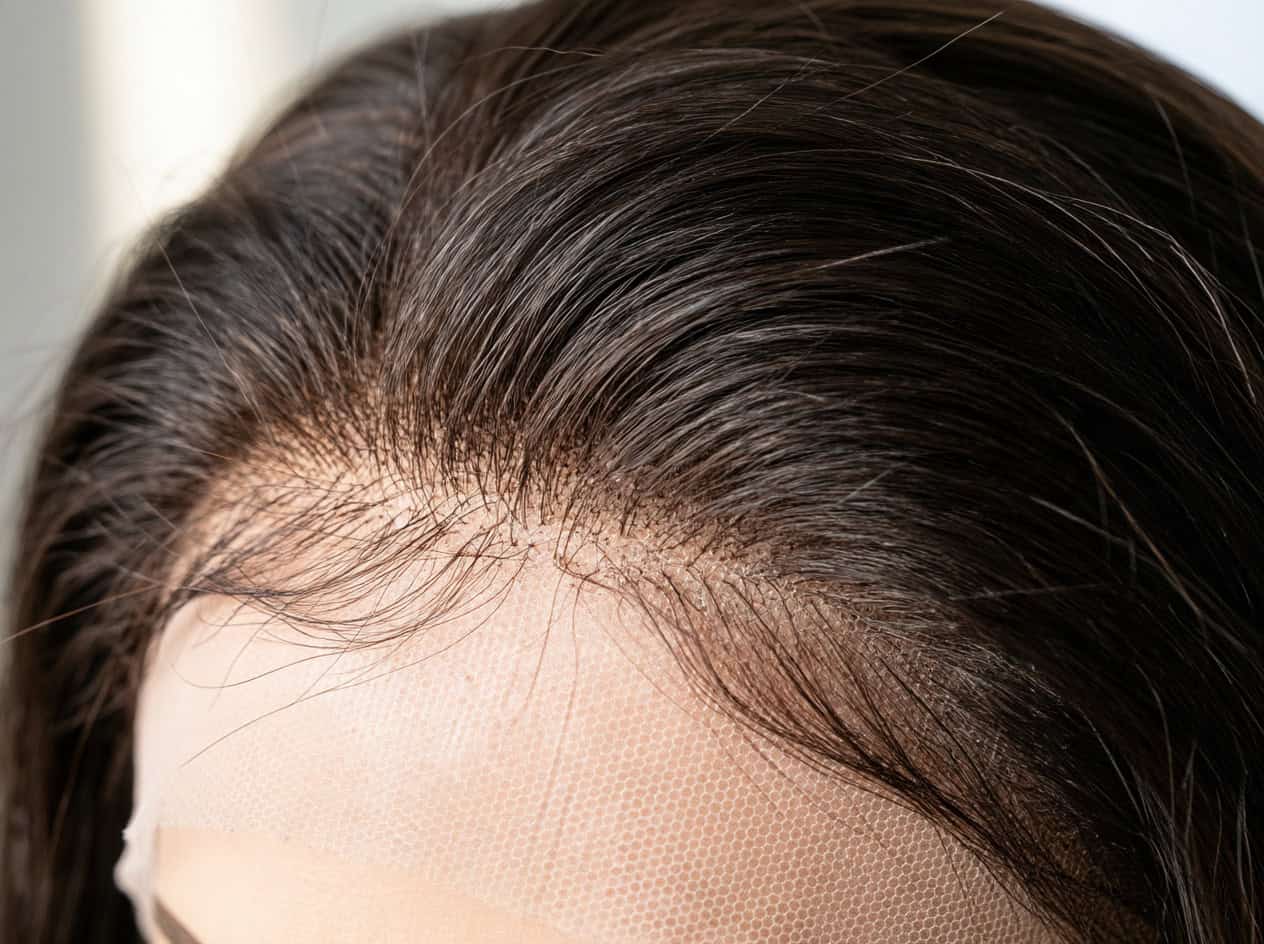
Close-up of a black human hair lace front wig with transparent lace, fine knots, and a pre-plucked natural hairline.

03 / LACE & HAIRLINE

Lace & Hairline

Explore different lace materials, lace types, hairline designs, and the details that influence wig appearance.

EXPLORE →
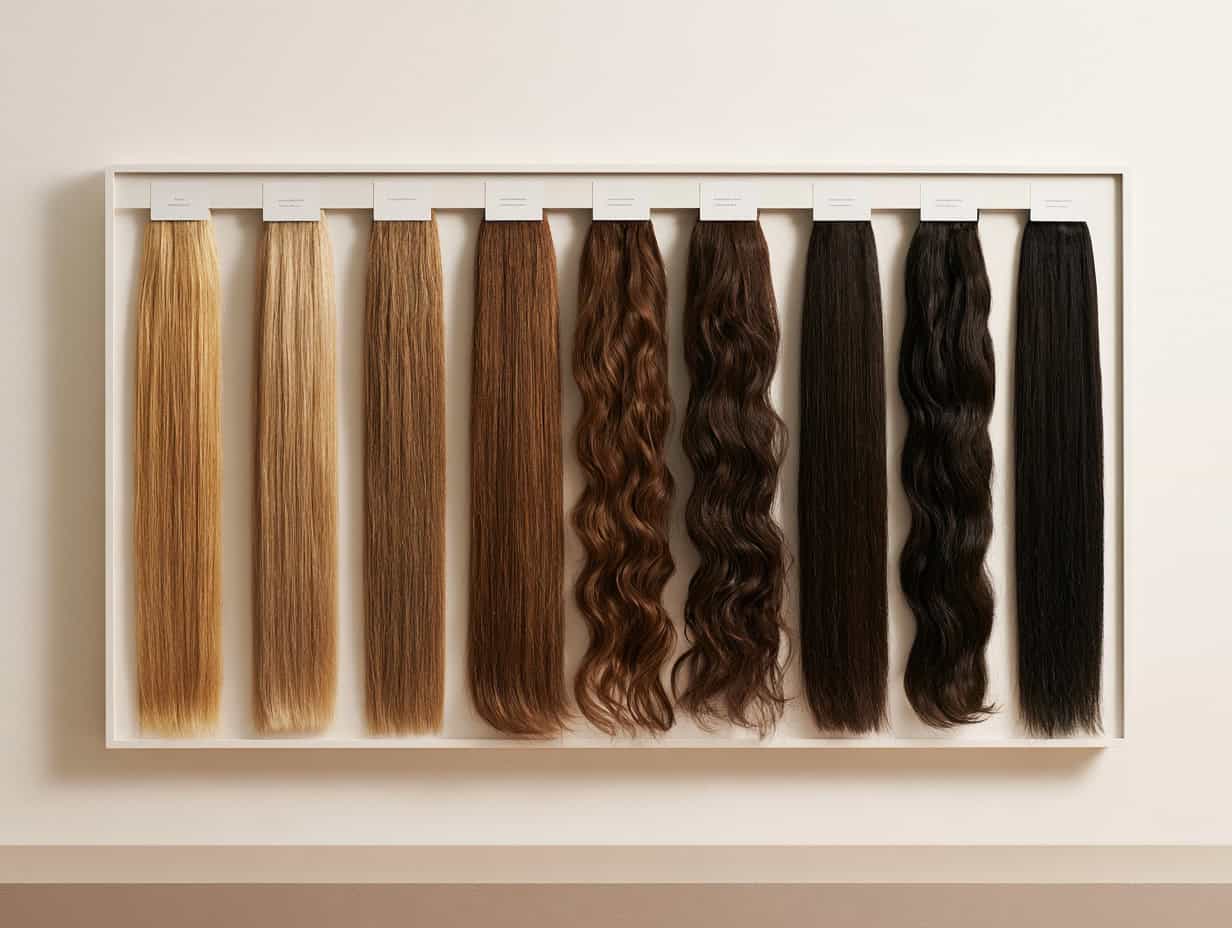
Professional hair sample displaying labeled straight, body wave, deep wave, and curly textures.

04 / PRODUCT SPECIFICATIONS

Wig Specifications

Understand key product specifications, including hair density, length, weight, texture, and color.

EXPLORE →

MAKE INFORMED PRODUCT DECISIONS

Hair Comparison Guides

Compare different hair materials, lace options, and wig constructions to better understand the products you source. Explore the key differences and learn what to consider when evaluating product specifications.

01. Human Hair Terminology

Understand the differences between commonly used human hair terms and learn what to verify when reviewing supplier descriptions.

Raw Hair

Often marketed as minimally processed or unprocessed hair. Ask suppliers to clarify the processing history and any treatments applied.

Virgin Hair

Commonly marketed as hair that has not undergone chemical processing. Confirm the supplier’s definition and processing claims.

Remy Hair

Refers to hair collected or arranged with cuticles running in the same direction. Ask how the hair is processed and aligned.

READ HAIR COMPARISON →

02. Lace Types: HD Lace vs Swiss Lace

Understand how different lace materials may vary in appearance, texture, transparency, and durability.

HD Lace

Often marketed for its fine, sheer appearance. Actual transparency and durability depend on the material and manufacturing process.

Swiss Lace

A commonly used lace material with variations in mesh texture, thickness, and strength.

COMPARE LACE TYPES →

03. Wig Construction: Lace Front vs Full Lace

Explore the differences in lace coverage, cap construction, and styling flexibility.

Lace Front

Features lace across the front hairline, with the remaining cap constructed using other materials.

Full Lace

Uses a lace base across the wig cap, generally offering greater flexibility for parting and styling.

COMPARE WIG CONSTRUCTION →

HAIR KNOWLEDGE / FAQ

Frequently Asked Questions

Find answers to common questions about wig materials, lace types, construction, and product specifications.

01. What is the difference between Raw Hair, Virgin Hair, and Remy Hair?

These terms describe different aspects of hair sourcing, processing, and alignment. Raw Hair is commonly marketed as minimally processed or unprocessed hair. Virgin Hair is generally described as hair that has not undergone chemical processing. Remy Hair refers to hair with cuticles aligned in the same direction. Since supplier definitions can vary, always verify processing history and sample quality.

02. What is the difference between human hair and synthetic hair?

Human hair is sourced from people, while synthetic hair is made from manufactured fibers. They can differ in texture, appearance, styling options, heat tolerance, maintenance, and price. Actual performance depends on the hair or fiber quality and manufacturing process.

03. What is the difference between HD Lace and Swiss Lace?

HD Lace is commonly marketed for its fine, sheer appearance. Swiss Lace is another commonly used lace material, available in different mesh textures and thicknesses. Compare actual transparency, softness, strength, and durability using physical samples.

04. What does wig density mean?

Wig density describes how much hair is used in relation to the wig base or area. It influences the overall fullness and appearance of a wig. Density percentages are not always standardized across suppliers, so request reference photos and confirm the supplier’s measurement method.

05. What is the difference between Lace Front and Full Lace Wigs?

A Lace Front Wig has lace concentrated along the front hairline, while a Full Lace Wig uses a lace base across the cap. Full Lace construction generally provides more flexibility for parting and styling, while Lace Front construction focuses on a natural-looking front hairline.

06. How can I verify the specifications of a wig before purchasing?

Request a detailed specification sheet covering hair material, length, density, texture, color, cap construction, lace type, and weight where applicable. Ask for clear product photographs and physical samples, and confirm the agreed specifications in writing before bulk production.


KNOW YOUR PRODUCT. SOURCE WITH CONFIDENCE.

Looking for the Right Wig Products?

Understanding hair materials and product specifications is an important step toward making informed sourcing decisions. Let ProntoSource help you explore the right options for your business.

Have questions about wig materials or specifications?

DISCUSS YOUR PRODUCT REQUIREMENTS →