Wig & Hair Product Sourcing in China | ProntoSource

PRONTOSOURCE / RESOURCES

Quality & Testing

Know the Quality. Verify Before You Buy.

Explore essential quality standards, product inspection methods, and testing considerations for wigs and hair products. Learn what to check before approving samples and placing bulk orders.

Quality inspector checking the lace, stitching, and cap construction of a black human hair wig.

QUALITY FUNDAMENTALS

Understanding Quality Standards

Learn the key quality factors that influence the appearance, performance, and construction of wig products. Understanding these standards helps buyers establish clear expectations and evaluate product quality more effectively.

Close-up of silky straight dark brown human hair showing smooth aligned strands and a natural healthy shine.

01. Hair Quality & Performance

Evaluate the characteristics and performance of human hair products.

Key Quality Factors:

  • Hair texture and softness

  • Shedding performance

  • Tangling behavior

  • Hair appearance and consistency

  • Overall durability

Understand how hair quality can affect the appearance, feel, and performance of a finished wig.

LEARN MORE →
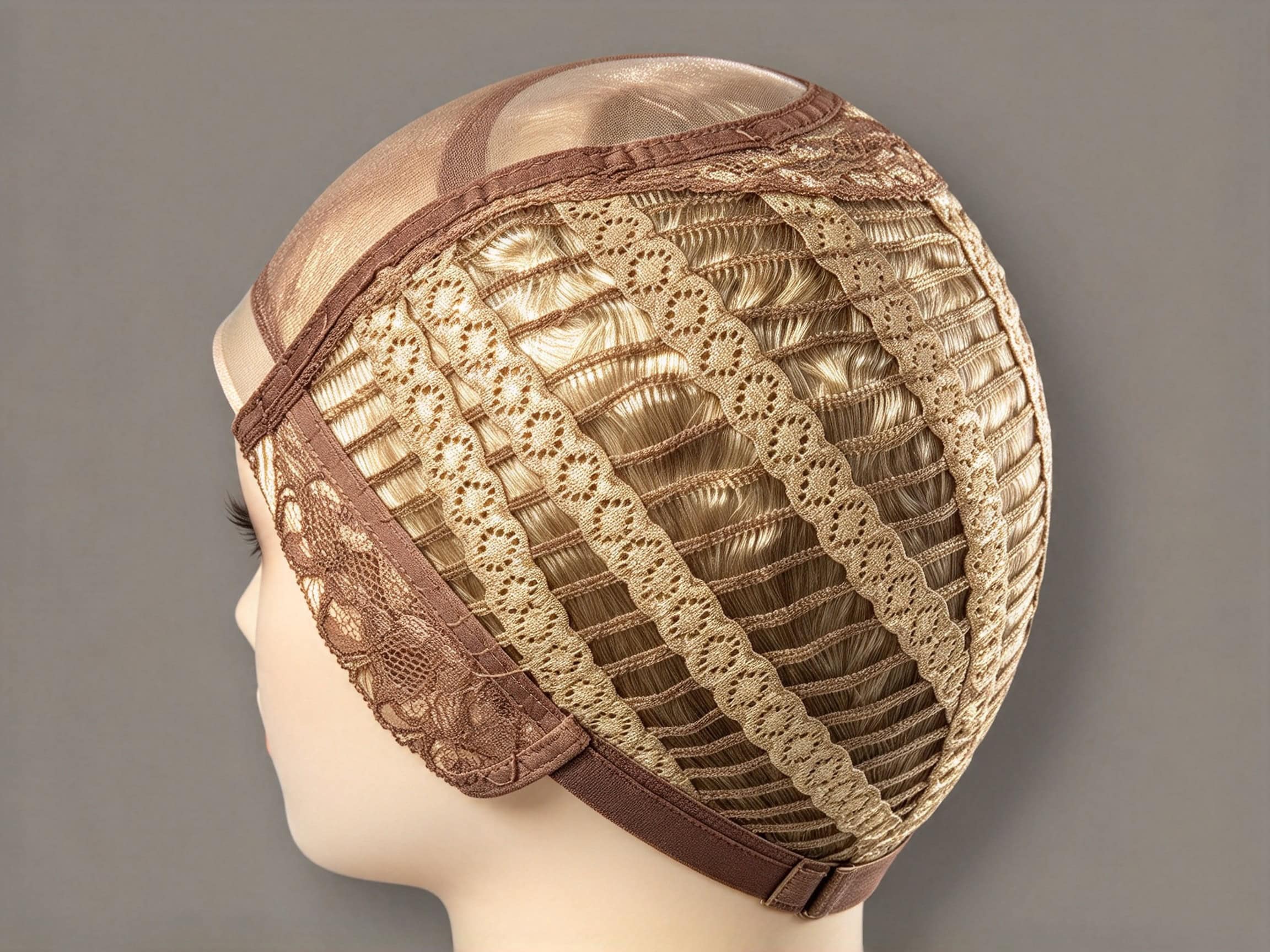
Inside view of a breathable wig cap showing open weft construction, lace panels, elastic bands, and an adjustable strap.

02. Construction & Workmanship

Examine how a wig is constructed and finished.

Key Quality Factors:

  • Stitching and seam finishing

  • Weft attachment

  • Knotting consistency

  • Cap structure

  • Overall workmanship

Careful inspection of construction details helps identify workmanship issues and inconsistencies.

LEARN MORE →
Close-up of a black human hair lace front wig with transparent lace, fine knots, and a pre-plucked natural hairline.

03. Lace & Hairline Quality

Understand the quality factors that influence lace appearance and hairline finishing.

Key Quality Factors:

  • Lace mesh consistency

  • Lace transparency

  • Knot appearance

  • Hairline design

  • Lace attachment and finishing

Evaluate lace and hairline details according to the selected lace type and agreed product specifications.

LEARN MORE →

04. Color & Specification Consistency

Verify whether finished products match the agreed product requirements.

Key Quality Factors:

  • Hair color consistency

  • Hair length accuracy

  • Density specifications

  • Product dimensions

  • Sample-to-bulk consistency

Compare finished products against approved samples and documented specifications before accepting an order.

LEARN MORE →

INSPECTION & VERIFICATION

Key Quality Checks & Testing

Learn what to inspect, how to verify product quality, and what evidence to request before approving wig products. A structured inspection approach helps buyers compare finished products against agreed specifications and quality expectations.

Inspector checking the smooth texture, strand alignment, and consistency of a straight black human hair wig.

01. Visual Inspection

Visual inspection helps identify visible product defects and inconsistencies.

Key Inspection Points:

  • Hair appearance and texture

  • Color consistency

  • Visible shedding

  • Lace and hairline appearance

  • Stitching and finishing defects

How to Check:

Inspect the product under adequate lighting. Compare its appearance with the approved sample and document any visible differences or defects.

LEARN MORE →
Comb passing through long straight human hair during a wig smoothness, tangling, and shedding inspection.

02. Physical Performance Checks

Physical performance checks help evaluate how a wig performs under agreed handling and use conditions.

Key Quality Factors:

  • Shedding behavior during combing

  • Tangling after combing

  • Hair movement and texture

  • Weft and seam attachment

  • Cap structure and construction stability

How to Check:

Use consistent handling methods and agreed testing conditions. Record observations and compare the results against predefined acceptance criteria.

LEARN MORE →
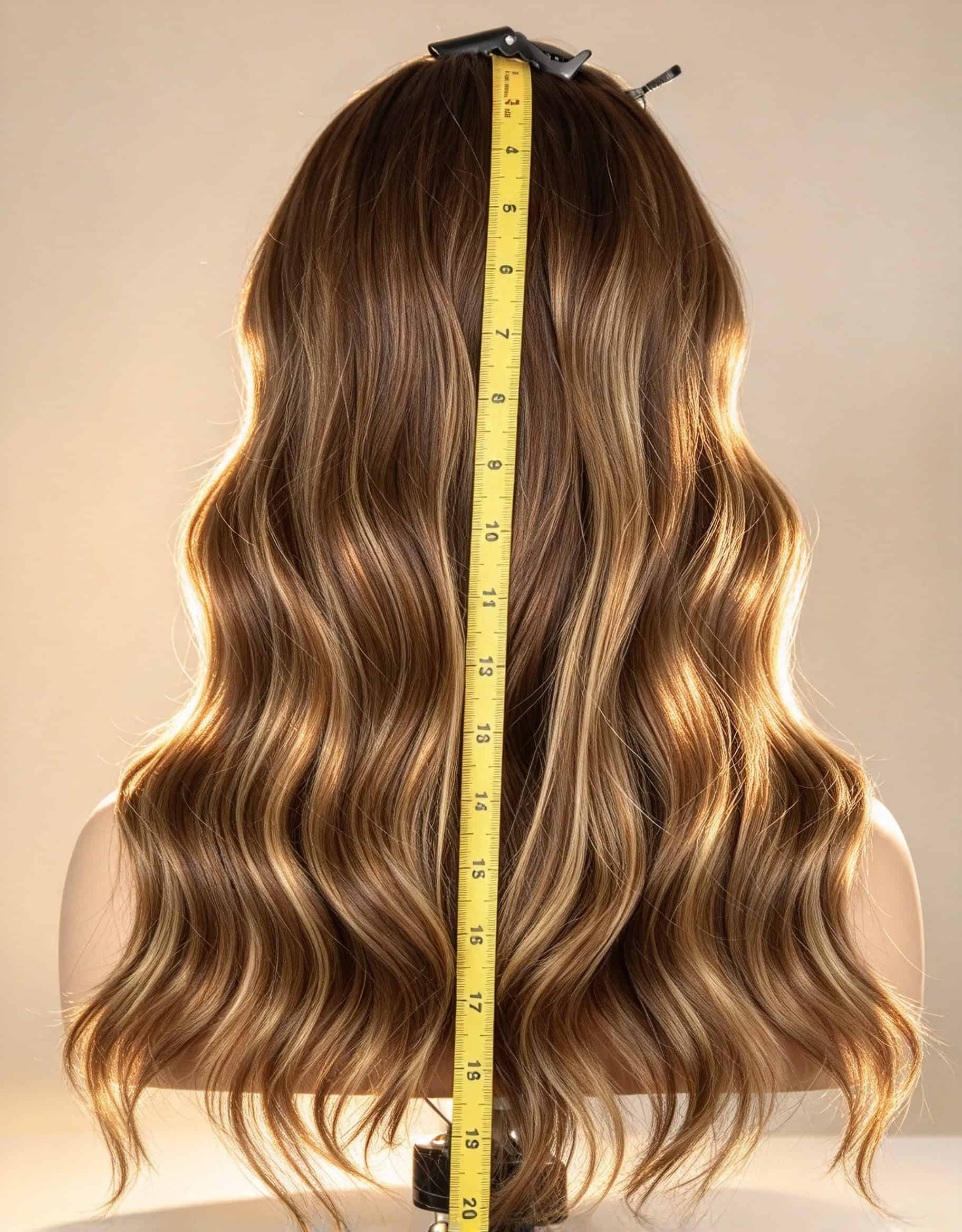
Measuring the length of a highlighted wavy human hair wig with a tape measure during quality inspection.

03. Specification Verification

Specification verification confirms whether finished products meet the agreed purchasing requirements.

Key Quality Factors:

  • Hair length

  • Hair density

  • Hair weight

  • Cap size and dimensions

  • Hair color and texture

How to Check:

Use appropriate measuring tools and compare actual product specifications with the purchase order, approved sample, and documented product requirements.

LEARN MORE →
Laboratory technician operating a tensile testing machine during a material strength and durability test.

04. Laboratory Testing

Laboratory testing may be required to verify material composition or specific product safety requirements.

Key Quality Factors:

  • Material composition verification

  • Chemical safety requirements

  • Restricted substances testing where applicable

  • Applicable market-specific compliance requirements

How to Check:

Identify the relevant requirements based on product materials and destination markets. Work with qualified testing laboratories and request reports covering the specific samples and test methods.

LEARN MORE →

BUYER’S TIP

Important Note

Visual inspection and basic performance checks cannot establish every aspect of product quality or safety. Testing methods and acceptance criteria should be agreed upon according to product specifications, applicable regulations, and buyer requirements.

FROM SPECIFICATION TO SHIPMENT

Quality Control Process

A structured approach to maintaining product consistency and verifying quality throughout the sourcing and production process. From initial specifications to final inspection, each stage plays an important role in meeting agreed product requirements.

01

02

03

04

Specification Alignment

BEFORE PRODUCTION

Define product requirements and quality expectations before manufacturing begins.

Key Actions:

  • Confirm hair materials and product type.

  • Define hair length, density, color, and texture.

  • Confirm lace type and cap construction.

  • Establish workmanship and quality requirements.

  • Agree on inspection criteria and acceptable tolerances.

Documentation:

Product Specification Sheet · Purchase Order · Quality Requirements

Expected Outcome:

A clearly documented set of product specifications and quality expectations.

Sample Review & Approval

SAMPLE APPROVAL

Evaluate physical samples to confirm whether they meet the agreed product requirements.

Key Actions:

  • Review hair texture and appearance.

  • Check lace and hairline details.

  • Evaluate cap construction and workmanship.

  • Conduct agreed performance checks.

  • Record feedback and request revisions if necessary.

Documentation:

Sample Evaluation Record · Sample Approval Confirmation · Approved Sample Reference

Expected Outcome:

An approved sample that serves as a reference for subsequent bulk production.

Production Quality Inspection

DURING PRODUCTION

Monitor production consistency and identify quality issues at appropriate manufacturing stages.

Key Actions:

  • Check materials against approved specifications.

  • Monitor stitching and cap construction.

  • Review hair length, density, and color consistency.

  • Identify workmanship issues during production.

  • Document deviations and corrective actions.

Documentation:

Production Inspection Record · Quality Issue Report · Corrective Action Record

Expected Outcome:

Production deviations are identified and addressed according to agreed quality requirements.

Final Inspection Before Shipment

BEFORE SHIPMENT

Review finished products and verify that they meet the agreed requirements before shipment.

Key Actions:

  • Inspect finished product appearance.

  • Verify product specifications and quantities.

  • Check packaging and labeling requirements.

  • Review outstanding quality issues.

  • Document inspection findings and agreed corrective actions.

Documentation:

Final Inspection Report · Packing List · Inspection Photographs · Shipment Approval Record, where applicable

Expected Outcome:

Finished goods are reviewed against agreed requirements before shipment authorization.

BUYER’S TIP

Quality Control Matters at Every Stage

Clear specifications, approved samples, documented inspections, and timely corrective actions help buyers establish a more consistent and transparent quality control process.

Key Quality Control Documents

Keep essential quality records throughout the sourcing process.

   Specifications

Product requirements

   Sample Approval

Approved sample record

   Inspection Records

Quality inspection findings

  Final Inspection

Pre-shipment review

QUALITY & TESTING / FAQ

Frequently Asked Questions

Find answers to common questions about wig quality inspection, sample approval, production consistency, and testing requirements.

01. How can I evaluate the quality of a human hair wig?

Start by checking the hair’s appearance, texture, shedding and tangling behavior. Also inspect lace quality, hairline details, cap construction, stitching, and finishing.

Compare the product against documented specifications and an approved physical sample rather than relying on appearance alone.

02. What should be checked during sample approval?

Review hair materials, length, density, color, texture, lace type, hairline, cap construction, and workmanship.

Conduct agreed performance checks and record any revisions. Once approved, keep a documented sample reference for comparison during bulk production.


03. How can I reduce quality inconsistencies in bulk production?

Provide clear product specifications, confirm an approved sample, and communicate measurable acceptance criteria before production.

Monitor materials and workmanship during manufacturing, document deviations, and compare finished products with the approved reference.

04. What is a pre-shipment inspection?

A pre-shipment inspection is a review of finished goods before shipment. It may cover product appearance, specifications, workmanship, quantities, packaging, and labeling.

The inspection scope and sampling method should be agreed upon in advance.

05. Should I request a third-party inspection?

A third-party inspection can provide an additional independent review, especially for larger orders or products with detailed quality requirements.

Confirm the inspection scope, sampling plan, inspection criteria, and reporting requirements before arranging the service.

06. What should I do if products fail inspection?

Document the defects and deviations with photographs and inspection records. Notify the supplier, agree on corrective actions, and determine whether rework, replacement, or another resolution is appropriate.

Arrange reinspection when necessary and follow the agreed purchasing terms before authorizing shipment.


QUALITY MATTERS. VERIFY WITH CONFIDENCE.

Looking for Reliable Wig Quality?

Clear quality requirements and proper inspection planning are essential for successful wig sourcing. Let ProntoSource help you understand product specifications, evaluate samples, and define your quality expectations.

Have questions about product inspection or quality standards?

DISCUSS YOUR QUALITY REQUIREMENTS →